
SStaying fit on a busy schedule does not require a perfect routine. What matters most is building simple habits you can repeat consistently, even on your busiest days. Many people stop exercising not because they do not care about health, but because their routine feels too demanding for real life.
When time is limited, the goal should not be to do everything. The goal should be to protect movement, recovery, and better daily structure in a way that still fits your schedule.
In this guide, you will learn how to stay fit on a busy schedule, why short workouts often work better than idealized plans, what practical routines usually look like, and which simple wellness support options may fit naturally into a consistent lifestyle.

Busy schedules create more than a time problem. They create a decision problem. When work, errands, family responsibilities, and mental fatigue build up, fitness often becomes one more thing that feels difficult to organize. Even motivated readers may struggle when movement has no clear place in the day.
This is why consistency usually breaks before intention does. Many people still want to stay active, eat better, and feel stronger, but their daily structure does not support follow-through. Long workouts, complicated meal plans, and unrealistic expectations often make fitness harder to maintain instead of easier.
A better approach is to focus on routines that still make sense when the day is not ideal. Readers often do better when they reduce the size of the habit but increase the chances of repeating it. That is how long-term progress usually happens.
For a broader routine, read our guide on simple daily wellness checklist for a balanced life.
Focus on short workouts that fit your schedule
A busy schedule does not mean you need long gym sessions to stay active. Short workouts can still support consistency when they match your real routine. A 10 to 20 minute walk, a quick bodyweight circuit, or a short mobility session can be enough to keep movement part of your day.
The key is not intensity every time, but repetition over time. When exercise feels realistic, it becomes easier to repeat during workweeks, family responsibilities, and low-energy days. Many people stop because they create a routine that looks good on paper but does not fit their schedule.
A shorter plan that actually gets done is often far more effective than an ideal plan that never happens. This is one of the most practical ways to stay fit on a busy schedule without feeling constantly behind.
Build movement into your normal day
Many readers who want to stay fit on a busy schedule do better when movement is built into daily life instead of depending on one perfect workout window.
Fitness becomes easier when it does not depend only on one perfect workout window. Readers often make better progress when they add movement to the structure of the day itself. Walking after meals, taking stairs, stretching before bed, parking farther away, or doing five minutes of movement between tasks may seem small, but they help protect momentum.
This approach also reduces the pressure of all-or-nothing thinking. If a full workout does not happen, the day is not lost. Movement can still happen in smaller forms that support energy, circulation, and consistency. Over time, those smaller actions make it easier to stay connected to an active lifestyle.
That is why many practical routines work better when fitness is treated like part of daily life rather than a separate event that only counts if it is perfect.
Keep meals simple, balanced, and repeatable
Food choices strongly affect energy, recovery, and how sustainable a fitness routine feels. Many busy readers do better when they stop trying to create new meals every day and instead repeat a small number of dependable breakfasts, lunches, and snacks.
Balanced meals with protein, fiber, whole-food carbohydrates, and practical hydration often support steadier energy and fewer crashes. This matters because busy schedules can make people skip meals, rely on convenience foods, or overeat later from stress and hunger.
A realistic nutrition routine does not need to be extreme. It should feel easy enough to maintain during normal weekdays. The more repeatable your food choices are, the easier it becomes to support activity and long-term fitness.
You can also read our guide on simple healthy eating habits for a busy lifestyle.
Recovery matters more than people think
Many readers focus only on exercise, but recovery is one of the main reasons a routine either lasts or falls apart. Poor sleep, constant stress, and mental fatigue can make even a simple plan feel harder to maintain. Recovery supports motivation, energy, and how prepared the body feels for the next day.
This does not mean recovery has to be complicated. A calmer bedtime, more consistent sleep timing, enough water, and fewer overstimulating evening habits can already make a noticeable difference. Readers often stay more active when recovery is built into the routine instead of treated as an afterthought.
Fitness becomes easier to keep when the body is not constantly running on exhaustion.
What a practical fitness routine often looks like
A practical routine usually feels flexible, simple, and realistic. It does not depend on perfect motivation or free hours every day. For many people, it includes short workouts during the week, a few active moments built into the day, basic meal structure, and enough recovery to stay functional.
It also helps when preparation reduces friction. Setting out shoes the night before, choosing two or three go-to workouts, keeping water visible, and deciding in advance what movement counts can make fitness feel lighter. Readers often succeed when they remove decisions instead of adding more pressure.
The best routines are usually not the most impressive ones. They are the ones that still work during stressful weeks and imperfect days. That is the real foundation of staying consistent.
Readers who want to stay fit on a busy schedule usually do better with routines that feel simple, flexible, and easy to repeat.
Quick Checklist
- Keep workouts short and realistic
- Add more movement to your normal day
- Repeat a few balanced meals each week
- Protect sleep and recovery when possible
- Reduce decision fatigue with simple preparation
- Focus on consistency, not perfection
- Choose routines that fit real life
Daily Support Options Readers May Want to Explore
Some readers also like to pair practical fitness habits with a simple daily wellness product. For this kind of article, the best fit is usually something that feels broad, easy to understand, and realistic enough for everyday use.
A practical product should support consistency, not replace movement, food quality, or recovery. The goal is simply to explore options that may fit naturally into a more organized daily routine.
some pepleo use this
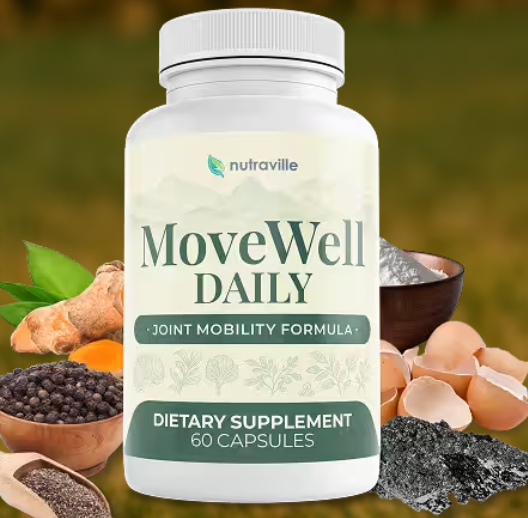
MoveWell Daily
Best for: readers looking for simple daily wellness support
Format: supplement formula
Use case: daily movement, flexibility, and routine-based support
Why some readers consider it: it may appeal to readers who want practical daily support that fits naturally into an active lifestyle
Important note: review ingredients and product details before purchase
Simple habits that make fitness easier to keep
Fitness becomes easier when a few things are already decided before the day begins. Filling a water bottle, planning a simple breakfast, choosing your workout time in advance, and keeping movement tools visible can all make follow-through easier.
Many readers also do better when they stop expecting every week to feel perfect. Some days will feel slower, busier, or less organized than others. A useful fitness routine does not depend on perfect conditions. It depends on habits that still make sense even during stressful days.
This is why fitness works best when it supports real life. The goal is not to create an impressive routine. The goal is to create one that helps you feel a little stronger, a little more active, and a little more prepared week after week.
Final Thoughts
To stay fit on a busy schedule, focus on practicality, repetition, and habits that fit naturally into real life. Long workouts and perfect plans are not required for progress. In many cases, shorter sessions, better food structure, more daily movement, and stronger recovery habits are enough to support long-term consistency. That is why the best way to stay fit on a busy schedule is usually to keep the routine simple enough to repeat.
The best routine is usually the one that makes your day feel lighter, not more demanding. When movement, food, and recovery work together, fitness becomes much easier to maintain over time.
For better recovery habits, read our guide on how to improve sleep naturally and recover better.