
Improve sleep naturally by focusing on habits that help the body slow down, recover, and feel safer entering rest. Sleep is one of the most important parts of overall wellness, yet many people struggle to get consistent, high-quality rest when stress, overstimulation, and irregular routines build up.
For many readers, poor sleep is not caused by one single problem. It often comes from a combination of busy schedules, screen exposure, caffeine too late in the day, inconsistent bedtimes, and evenings that never fully shift into recovery mode. This is why better sleep usually starts with simpler, repeatable habits rather than extreme nighttime routines.
In this guide, you will learn how to improve sleep naturally, which evening habits may support deeper rest, what makes nighttime recovery easier to maintain, and which simple support options may fit naturally into a calmer bedtime routine.

Many readers try to improve sleep naturally by reducing stimulation and making bedtime routines easier to repeat.
One of the most effective ways to improve sleep is creating a consistent evening routine. The body responds well to patterns, and going to sleep at similar times each night may help support a healthier internal rhythm.
Reducing screen exposure before bedtime, keeping the room cool and quiet, and avoiding heavy meals too late at night may help signal to the body that it is time to rest. Even small changes like dimming lights or reading for a few minutes can make bedtime feel smoother.
Daily habits also matter. Caffeine too late in the day, irregular sleep timing, and overstimulation in the evening often make quality sleep harder to maintain. Better sleep usually improves when the routine becomes simpler and more repeatable.
You can also read our guide on morning wellness habits for a calm and productive day.
Why sleep quality affects recovery so much
Sleep is not only about feeling less tired the next day. It is also when the body shifts into repair, regulation, and deeper recovery. Poor sleep can affect mood, focus, appetite, training recovery, and how well the body handles stress during the day.
When sleep becomes lighter, shorter, or more irregular, many readers notice that everything else feels harder. Energy becomes less stable, patience gets lower, and even small responsibilities start feeling heavier. This is one reason why improving sleep often helps other health habits become easier too.
Better sleep quality usually supports a calmer nervous system, more consistent energy, and a better sense of daily rhythm. That is why many readers begin to improve sleep naturally by changing the structure of the evening instead of chasing more complicated solutions.
What makes a bedtime routine easier to maintain
General sleep guidance can also be reviewed through the Sleep Foundation sleep health resource.
A good bedtime routine should feel calming, not demanding. Many readers stop following nighttime habits because the routine becomes too long, too strict, or too unrealistic for normal weekdays. This is why a simpler pattern often works better.
A practical routine may include one or two actions that tell the body the day is ending. This could be turning down lights, putting the phone away earlier, drinking water, stretching lightly, or sitting quietly for a few minutes before bed. The exact routine matters less than whether it feels easy enough to repeat.
The best sleep habit is often the one that still makes sense when the day was stressful, messy, or tiring. Consistency supports better rest more than intensity.
What to Look for in a Natural Sleep Support Option
Some readers also explore natural sleep support products as part of an evening routine. When comparing options, it helps to focus on simplicity, ease of use, and whether the product feels realistic for nightly use.
A good option should feel supportive, not complicated. Readers often prefer products that fit naturally into an evening routine and do not require excessive preparation or confusion.
The best fit is usually the one that feels easy to repeat consistently. For sleep support, repeatability matters more than intensity.
Common habits that make sleep worse
Many people try to sleep better while still keeping habits that work against rest. Bright screens late at night, mentally stimulating content, late caffeine, heavy dinners, and irregular bedtimes can all make it harder for the body to slow down.
Stress also plays a major role. Even when someone feels physically tired, the mind may still feel alert, reactive, or overstimulated. This is why a bedtime routine should support both the body and the nervous system.
Another common problem is expecting sleep to improve instantly. In many cases, better sleep builds gradually when evenings become more stable, calmer, and easier to repeat.
Quick Checklist
- Keep a more consistent bedtime
- Reduce bright screens before sleep
- Avoid overstimulation late at night
- Choose routines that feel calm and realistic
- Prefer simple support over complicated systems
- Focus on consistency, not perfection
Evening Habits That Support Better Recovery
Good recovery often begins before you actually fall asleep. The way you spend the final hour of the day can influence how easily the body relaxes and how prepared the mind feels for rest.
Many readers find it helpful to keep evenings lighter and more predictable. This may include reducing noise, limiting late meals, stepping away from stressful tasks, and building a calmer pre-sleep pattern that feels sustainable during the week.
The goal is not to build a perfect nighttime system. The goal is to make better sleep feel easier to repeat.
How better daytime habits help nighttime sleep
Sleep quality is strongly affected by what happens earlier in the day. Morning light exposure, steady movement, balanced meals, and more stable caffeine timing can all influence how sleepy and settled the body feels later at night.
Many readers focus only on bedtime, but daytime rhythm matters too. A body that gets movement, hydration, and better timing throughout the day often transitions into rest more easily at night.
This is why sleep support works best when it is connected to a broader wellness routine instead of being treated like a separate problem that starts only at bedtime.
Final Thoughts
To improve sleep naturally, focus on calmness, consistency, and habits that fit real life. Better evenings, lighter stimulation, and more practical sleep routines often make a noticeable difference over time.
When comparing natural sleep support options, focus on simplicity, daily usability, and how naturally the product fits into your routine. The best option is usually the one you can keep using without making nighttime feel more complicated. That is why many people improve sleep naturally by focusing on calmer evenings and more consistent routines.
Recommended Natural Sleep Support
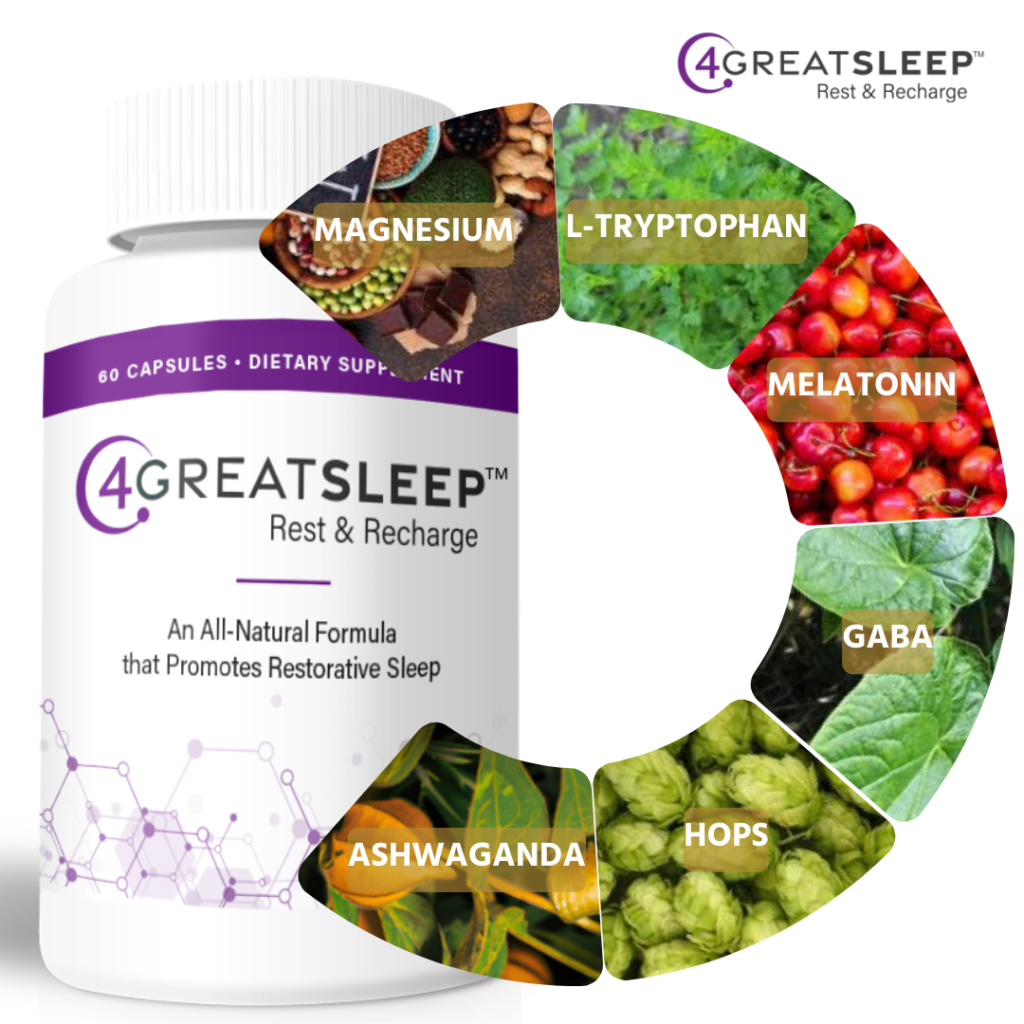
4GreatSleep
4GreatSleep is a practical option for readers looking for a simple sleep-focused product that may fit naturally into a consistent evening routine. It may appeal to people who prefer direct nighttime support without making bedtime feel more complicated.
- Easy to use nightly
- More sleep-focused than general wellness products
- Useful for building a calmer bedtime routine